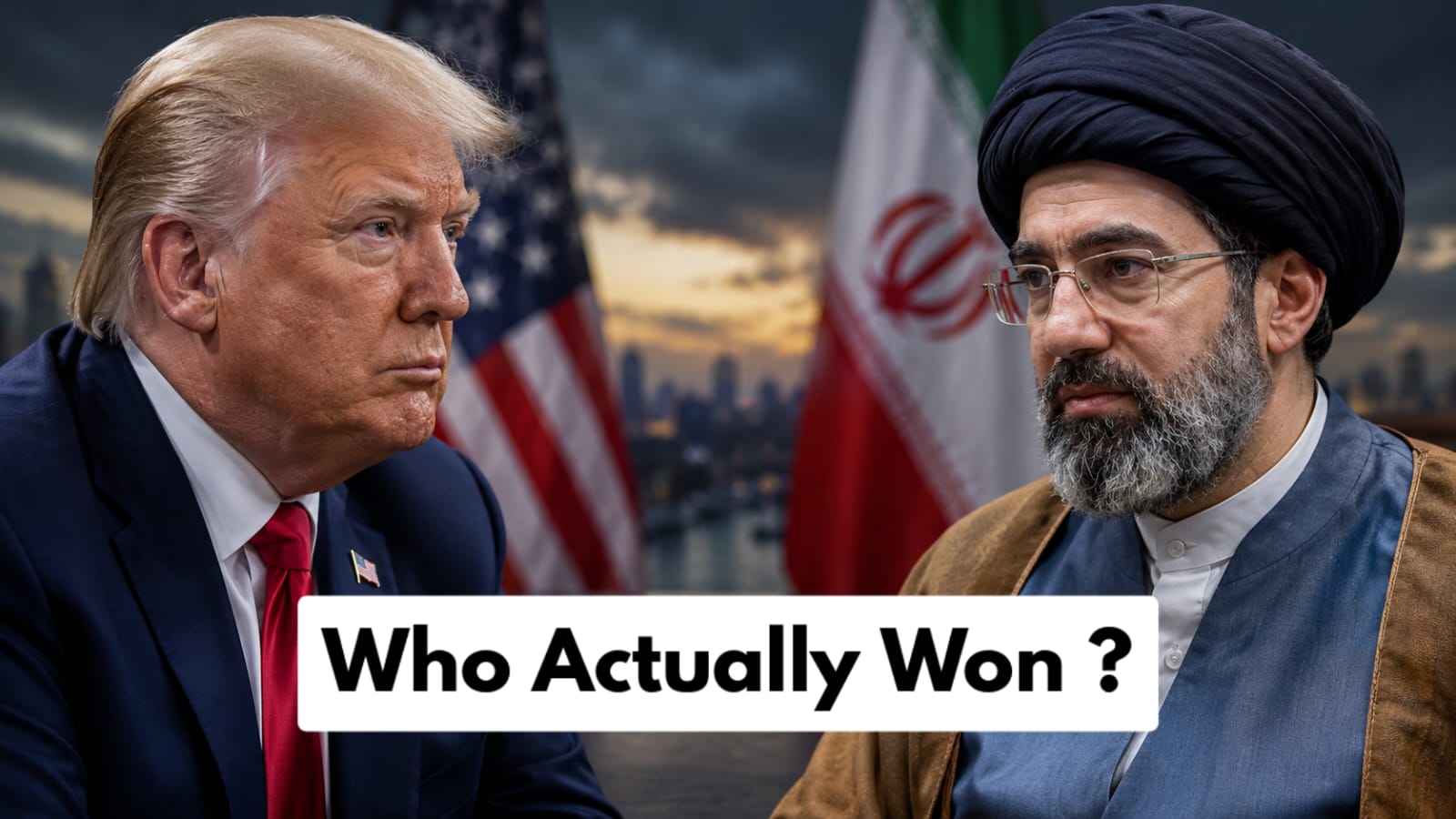
The United States and Iran have reached a significant 14-point memorandum of understanding to halt their direct military conflict, reopening vital shipping routes and paving the way for broader talks. This interim agreement, mediated with help from countries like Pakistan and Qatar, marks a de-escalation after months of intense fighting that began earlier in 2026.
Background of the Conflict
Tensions erupted into open conflict in early 2026, involving U.S. and Israeli strikes on Iranian targets under operations aimed at curbing Iran’s nuclear program and regional influence. Iran responded with missile and drone attacks, disrupting shipping and hitting bases in the region. The war caused widespread destruction, economic shocks, and humanitarian suffering across the Middle East.
A fragile initial ceasefire was announced in April but faced repeated tests. The new memorandum extends it for 60 days, allowing time for negotiations on a more permanent truce, Iran’s nuclear program, and sanctions relief.
Peace Deal Key Points
According to U.S. accounts of the unreleased 14 points memorandum, the agreement includes :
• Immediate end to military operations on all fronts, including Lebanon.
• Reopening of the Strait of Hormuz for unrestricted commercial shipping with no tolls, and the lifting of the U.S. naval blockade on Iranian ports within 30 days.
• Sanctions relief and waivers allowing Iran to sell oil freely; discussions on unfreezing billions in Iranian assets (reports vary between $24-300 billion in potential reconstruction support from Gulf states or investors, not direct U.S. payments).
• Commitment to nuclear talks over the next 60 days, focusing on dismantling or limiting Iran’s nuclear capabilities, removing highly enriched uranium stockpiles, and verifiable pledges against developing nuclear weapons.
• Respect for sovereignty and non-interference in internal affairs.
• Regional stability measures, including Iran ceasing support for certain proxy groups.
• Plans for economic reconstruction and development aid tied to compliance.
A formal signing is expected soon, possibly in Switzerland, though both sides retain flexibility before finalization.
Human and Economic Toll
The conflict inflicted heavy losses on both sides.
Iranian casualties are estimated at 3,468 to over 6,000 killed (including civilians and military), with more than 26,500 injured. Civilian deaths included hundreds of women and children.
U.S. losses included about 15 soldiers killed and over 500 wounded. Israel reported dozens of deaths and thousands injured, with additional civilian impacts in the region.
Economically, Iran faced devastating damage estimated at $300 billion to as high as $1 trillion, crippling its oil sector and infrastructure. The U.S. military costs exceeded $29 billion in the early phases alone, with broader global ripple effects including higher energy prices and supply chain disruptions. Oil prices have since eased with the deal’s announcement.
Who Actually Won ?
This interim ceasefire appears to be a pragmatic compromise rather than a clear victory for either side. The U.S. achieved key goals like reopening the Strait of Hormuz, securing commitments on Iran’s nuclear program, and avoiding a prolonged, expensive ground conflict. It demonstrated resolve while shifting focus to diplomacy.
Iran, despite significant losses, gained sanctions relief, the ability to resume oil exports, and potential reconstruction funds—providing economic breathing room without fully dismantling its nuclear infrastructure or regional influence immediately. It survived intense military pressure and forced negotiations.
In reality, neither side “won” decisively. The deal halts immediate bloodshed and economic hemorrhage but leaves core issues—like Iran’s nuclear ambitions, proxy networks, and Israel’s security concerns—unresolved. True success will depend on the next 60 days of talks. A lasting peace could stabilize the region and global energy markets, but violations or unmet demands risk renewed escalation. For now, exhausted parties and the world economy benefit from de-escalation.
Experts view this as a temporary bridge. Implementation and verification will be critical. As one U.S. official noted, the agreement offers a “dial” for behavior and relief, but permanent resolution remains the ultimate test.