In a striking display of faith and solidarity, the hashtag #ILoveMuhammad has surged to the top of trending topics on X (formerly Twitter) and other social media platforms across India and beyond. What started as a simple expression of religious devotion during Eid Milad-un-Nabi celebrations has ignited a firestorm of controversy in Kanpur, Uttar Pradesh, leading to a police FIR against over two dozen Muslim residents. As millions post heartfelt messages, images of Arabic calligraphy, and the iconic “I Love Muhammad” phrase with a red heart, the trend highlights tensions over religious expression in a diverse society. But is this just a viral moment of love, or a symptom of deeper communal divides ?
The Spark: A Signboard in Syed Nagar
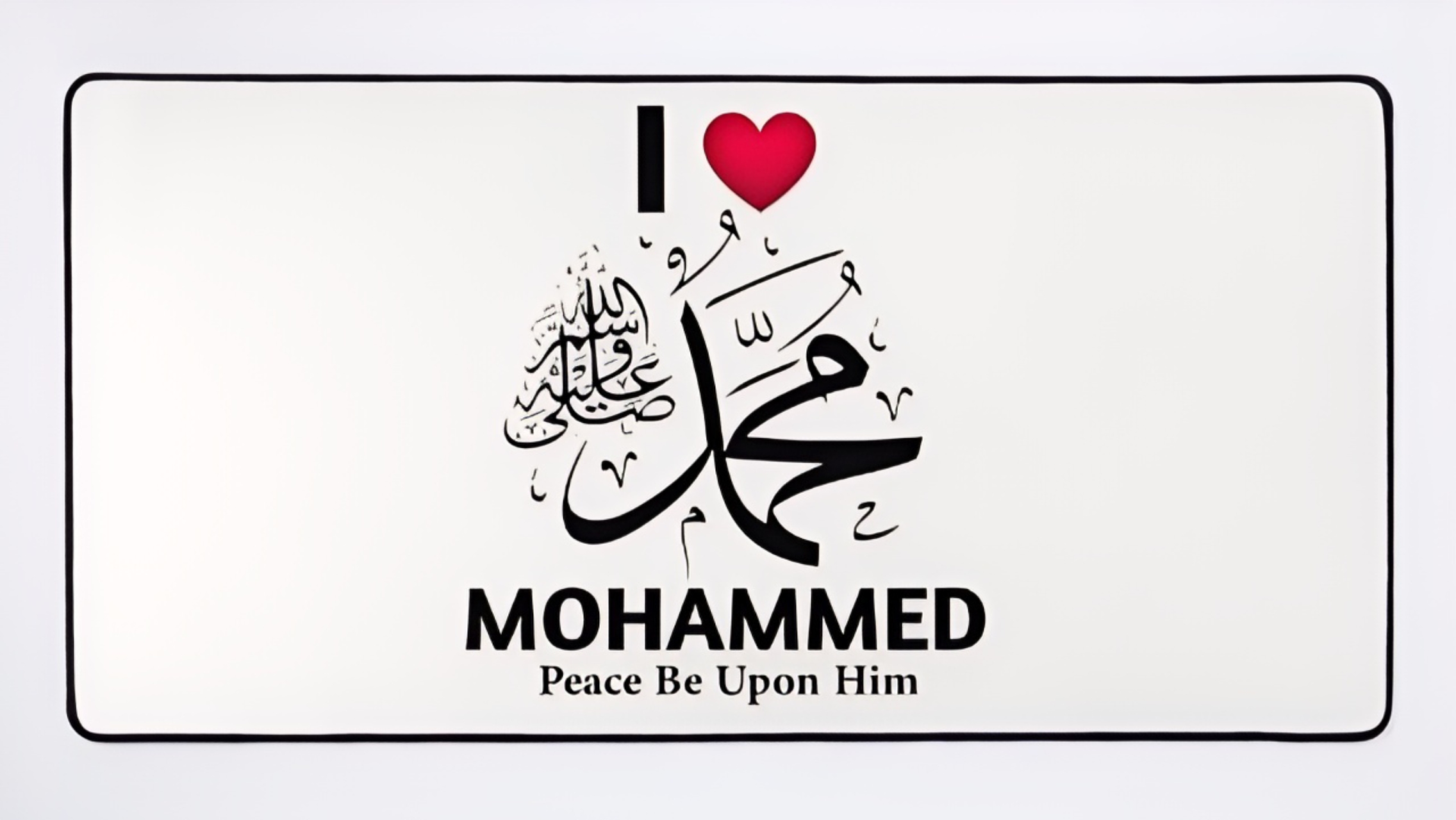
The controversy erupted in Kanpur’s Syed Nagar neighborhood during the recent Eid Milad-un-Nabi (also known as Barawafat), commemorating the birth of Prophet Muhammad (Peace Be Upon Him) on September 5, 2025. Local Muslims erected illuminated signboards reading “I Love Muhammad” along a public road near a gate frequently used for Hindu processions, such as the Ram Navami yatra. Accompanied by tents and decorations, these displays were intended as a joyful tribute to the Prophet, whom Muslims revere as a mercy to humanity and the final messenger of God.
However, the setup drew immediate objections from Hindu organizations, who labeled it a “new trend” and a “deliberate provocation” aimed at disrupting communal harmony. Reports indicate that members of a Hindutva group allegedly vandalized one of the boards, raising anti-Muslim slogans in broad daylight. Eyewitnesses claim they approached the Rawatpur police station on September 4 to file a complaint, but no action was taken against the vandals. Instead, on September 9, police registered an FIR against nine named individuals and 15-17 unidentified others under sections of the Indian Penal Code for promoting enmity between religious groups (IPC 153A) and unlawful assembly.
Deputy Commissioner of Police (West) Dinesh Tripathi explained the action: “No new trend on public roads can be permitted. This was a threat to communal peace, and nobody involved will be spared.” Additional DCP Kapil Deo Singh added that the boards introduced “new practices” different from traditional celebrations, leading to tension. Police dismantled the structures after failed persuasion attempts and reviewed CCTV footage to identify suspects. As of today, searches continue, with fears of arrests looming—prompting AIMIM president Asaduddin Owaisi to warn of potential detentions of up to 20 people and vow legal action.
Backlash and the Viral Trend: A Flood of Digital Devotion
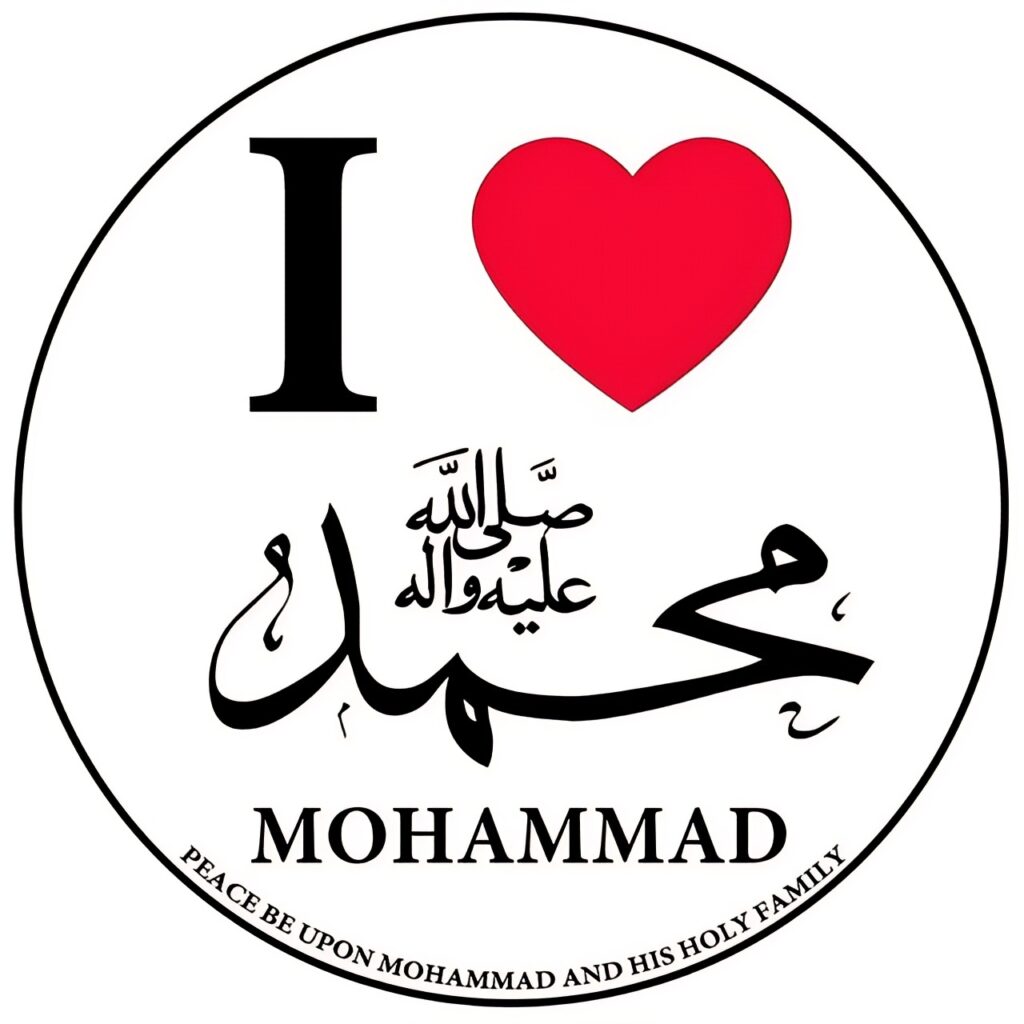
The FIR has backfired spectacularly, transforming a local incident into a global social media phenomenon. Since September 16, #ILoveMuhammad (and variations like #ILoveMohammad and #ILOVEMOHAMMADﷺ) has amassed millions of posts, with users from India, Pakistan, and the Middle East joining in. Viral calls for “1,000 comments” or “10,000 mentions” have flooded timelines, turning the phrase into a symbol of resistance against perceived injustice.
Prominent voices have amplified the trend. Owaisi condemned the case as an assault on religious freedom, stating, “If loving the Prophet is a crime, it’s one we’ll commit a million times.” World Sufi Forum Chairman Hazrat Syed Mohammad Ashraf Kichhouchhvi called the action “unlawful” and a warning against rising hate conspiracies, urging vigilance in a fragile economic climate. Kanpur’s Shahar-e-Qazi Mufti Muhammad Yunus Raza echoed this, labeling it a violation of constitutional rights under Article 25, which guarantees freedom of religion, and a misuse of legal powers that erodes public trust.
On X, posts range from poetic praises—”Mohammad S.A.W. is supremely successful in both religious & secular fields. Ki MOHAMMAD S.A.W se Wafa tu ne tu hum tere hai🫀”—to defiant videos of non-Muslims like a self-proclaimed “Sanatani girl” saying, “We are proud Hindus and we say #ILoveMuhammad—arrest us if you must.” Shared images mirror the ones circulating widely: white backgrounds with elegant Arabic script for “Muhammad” (محمد), a bold red heart, and the English phrase “I Love Muhammad – Peace Be Upon Him.” One user posted, “Share this trend so the whole world knows the glory of my Sarkar 👑,” garnering thousands of reposts. Another lamented, “We express love and get arrested; they spread hate and get fame.”
The trend’s scale is staggering: Parody accounts and journalists have seen posts explode with over 33,000 likes, while semantic searches reveal a chorus of “I ❤️ Muhammad” declarations, often tied to the Prophet’s teachings on compassion and equality. Even interfaith solidarity shines through, with references to historical respect, like Guru Gobind Singh’s praise in the Zafarnama.
Who is Prophet Muhammad ? A Timeless Figure of Peace
At the heart of this fervor is Prophet Muhammad (Peace Be Upon Him), born around 570 CE in Mecca. As the founder of Islam, he is seen by over 1.8 billion Muslims as the epitome of mercy, justice, and moral excellence. His life revolutionized 7th-century Arabia by abolishing practices like female infanticide, promoting women’s rights, and declaring in his Farewell Sermon: “All mankind is from Adam and Eve… no Arab has superiority over a non-Arab.” The Quran describes him as “a mercy to all worlds” (21:107), and invoking “Peace Be Upon Him” after his name is a cherished tradition rooted in scripture.
For believers, “I Love Muhammad” isn’t mere sentiment—it’s an act of faith. Hadiths emphasize loving him more than one’s family as a sign of true devotion. In today’s trend, users invoke this love defiantly: “If expressing love is a sin, we’ll do it millions of times—love is the path to truth and humanity.” Google searches for “the best human in the world” still yield his name, a testament to his enduring legacy.
Broader Implications: Communal Harmony or Suppression ?
Uttar Pradesh, India’s most populous state, has a history of festival-related tensions, from Ram Navami processions to Milad-un-Nabi events. Critics argue the FIR exemplifies a pattern where Muslim expressions are curtailed under the guise of “law and order,” fostering a climate of fear for minorities. Human rights advocates point to constitutional protections, questioning why vandalism went unpunished while devotion was criminalized. On the flip side, police maintain the action was preventive, citing risks in a sensitive area—no violence occurred from the boards themselves, but the potential loomed large.
As the trend continues to grow, it underscores a poignant reality: In an era of polarization, simple acts of love can become battlegrounds. Whether this leads to arrests, legal challenges, or greater dialogue remains to be seen. For now, #ILoveMuhammad serves as a digital rallying cry, reminding the world of a message as old as Islam itself—peace, compassion, and unity.
What do you think? Is expressing faith online a right or a risk? Share your views in the comments below. For more updates, follow our website.