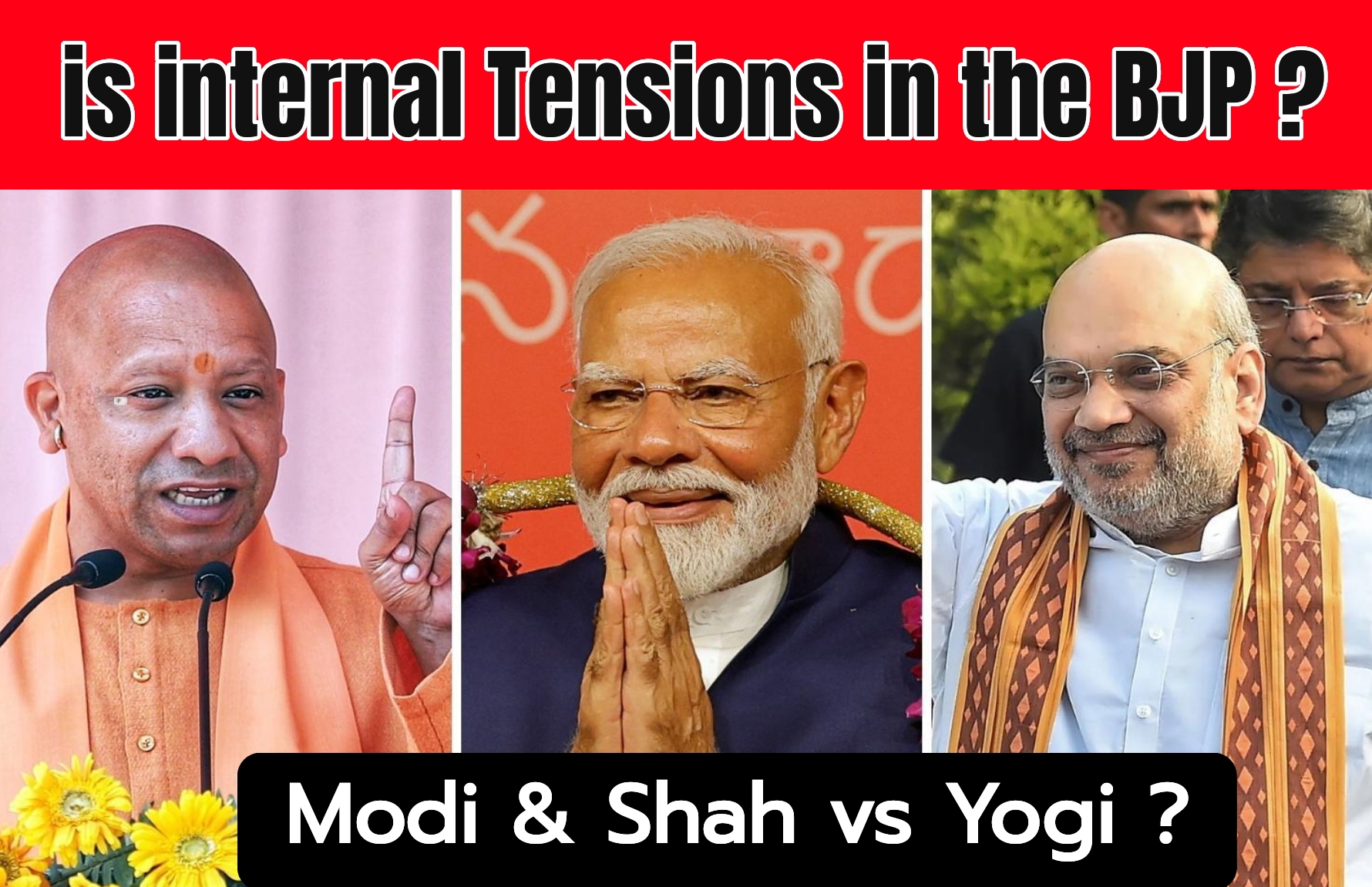
In the lead-up to the 2027 Uttar Pradesh assembly elections, whispers of internal discord within the Bharatiya Janata Party (BJP) have grown louder, centering on the perceived rift between Prime Minister Narendra Modi, Home Minister Amit Shah, and Uttar Pradesh Chief Minister Yogi Adityanath. What began as subtle speculations in political circles has now spilled into mainstream discourse, fueled by social media narratives, party appointments, and recent controversies. While BJP insiders dismiss these as opposition tactics to sow division, analysts point to underlying power struggles that could impact the party’s cohesion. As of late January 2026, these tensions reflect broader debates on leadership succession, Hindutva ideology, and electoral strategy in India’s most populous state.
Background and Historical Context
The roots of the alleged “Modi-Shah vs. Yogi” narrative trace back to at least 2021, when differences emerged over handling incidents like the Lakhimpur Kheri violence. Yogi Adityanath, a firebrand monk-turned-politician known for his hardline Hindutva stance and “bulldozer” governance, has cultivated a massive following in UP, positioning him as a potential national figure. However, this has reportedly clashed with the central leadership’s preference for centralized control. Modi and Shah, often referred to as the “two brothers” in party lore, are seen as prioritizing organizational unity over individual charisma.
Historical precedents abound. In 2022, ahead of UP elections, similar rumors circulated, contributing to a dip in BJP’s seats from 312 to 255, despite retaining power. The 2024 Lok Sabha polls saw further setbacks in UP, with the party securing only 33 seats compared to 62 in 2019, partly attributed to caste dynamics and internal factionalism. Yogi’s critics within the party, including Deputy CM Keshav Prasad Maurya, have hinted at discontent, with Maurya’s recent comments on prioritizing organization over government echoing central directives. Analysts argue that Yogi’s aggressive style, while appealing to core Hindutva voters, has alienated castes like Lodhs and Kurmis, prompting Delhi to intervene.
The Rashtriya Swayamsevak Sangh (RSS), the BJP’s ideological parent, plays a pivotal role. Some reports suggest RSS favors Yogi as Modi’s successor due to his monastic roots, while others claim Modi-Shah prefer Shah for his organizational prowess. This succession debate has intensified since Modi’s third term, with 2029 national polls looming. Past rifts, like those during the 2021 farmer protests, highlight how UP’s political weight—80 Lok Sabha seats—makes it a battleground for national ambitions.
Recent Developments and Controversies
January 2026 has seen a surge in these narratives. The appointment of Nitin Nabin as BJP national president and Pankaj Chaudhary as UP unit chief in December 2025 is interpreted as a Modi-Shah move to consolidate control and potentially sideline Yogi. Nabin’s first UP visit emphasized unity and warned against “divisive forces,” but social media buzzed with claims of Yogi’s isolation.
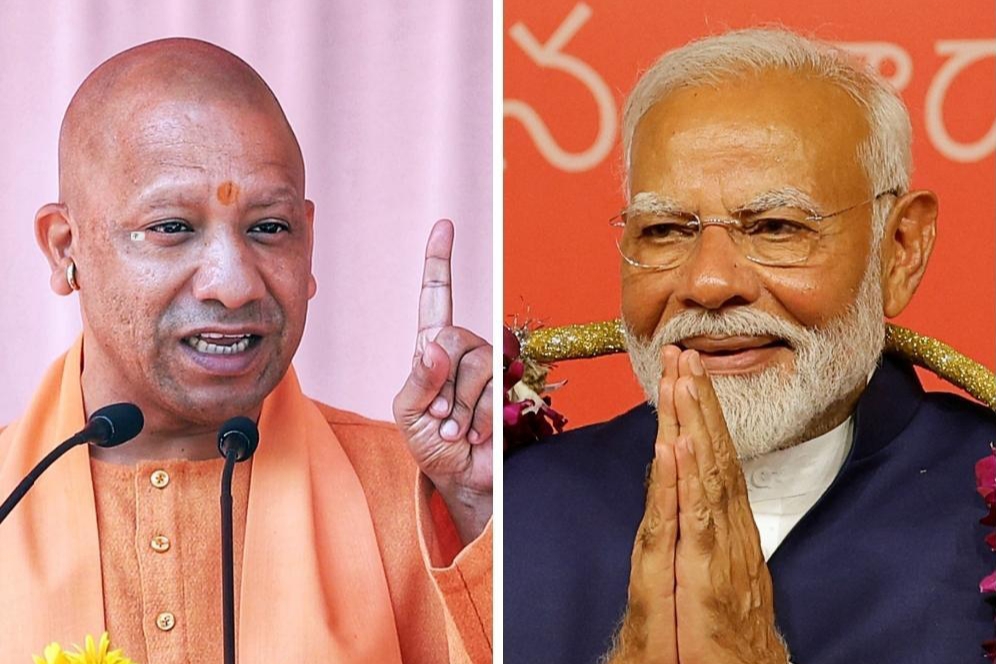
A major flashpoint is the ongoing feud between Shankaracharya Swami Avimukteshwaranand Saraswati and Yogi over alleged disrespect during a ceremonial bath in Prayagraj. The Shankaracharya’s supporters accuse UP authorities of harassment, leading to resignations and public outcry. Yogi’s indirect criticism of “Kaal Nemi-like forces” (deceitful elements) has drawn fire, with Maurya backing the Shankaracharya. This has raised fears of fracturing the Hindu vote bank, especially amid accusations of Yogi being “Sanatan virodhi” (anti-Hindu). Central leaders’ silence has fueled speculation of deliberate non-intervention to weaken Yogi.
Social media amplifies the divide. Posts on X highlight awkward body language in meetings, alleged ED raids on Yogi allies, and narratives pitting Yogi against Modi-Shah. Viral videos and threads warn of a “three-front war” against Yogi, involving internal rivals, religious figures, and central command. Counter-posts urge unity, labeling the rift as “manufactured” by opposition like Congress to exploit BJP’s vulnerabilities.
Additionally, Yogi’s criticism of new UGC regulations in January 2026, claiming they undermine state autonomy, has added to the federal tensions. Amid this, Yogi met Modi in Delhi, gifting a Ram Mandir replica, signaling efforts at reconciliation.
Implications for the Party and Future Elections
These tensions could erode BJP’s electoral fortress in UP. With 2027 polls critical for 2029 national ambitions, internal polarization risks voter apathy or shifts to rivals like Samajwadi Party, which is aggressively mobilizing on the ground. Brahmin anger over UGC issues and Shankaracharya row might cost 30-40 seats, per estimates.
For BJP, unity is paramount. Supporters argue that public appearances show harmony, and Modi-Shah’s strategies—like Amit Shah’s Assam rallies—focus on development over division. Yet, if unaddressed, this could mirror Congress’s infighting, as BJP trolls note.
In conclusion, while evidence of an open conflict remains anecdotal, the narrative’s persistence underscores BJP’s challenges in balancing strong personalities with collective goals. As Yogi focuses on local issues like land mafia crackdowns, the party’s ability to debunk rumors will determine its trajectory. Political observers advise monitoring official statements amid this “game of checkmate.”